
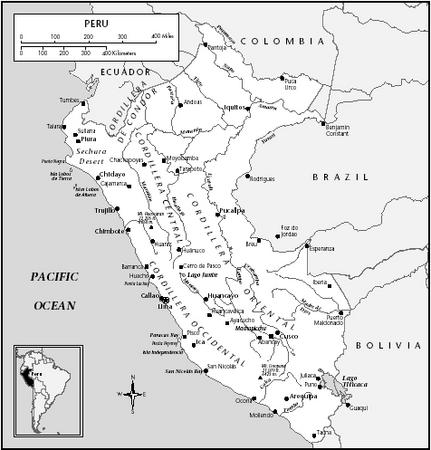
Peru has a long and fascinating collection of ancient cultures, yet many visitors to Peru have only heard of the Incas. Though the enormous influence of the Incas on the history and development of Peru must be acknowledged, there were numerous other regional civilizations that also played an important role in Peruvian history.
The Chavins
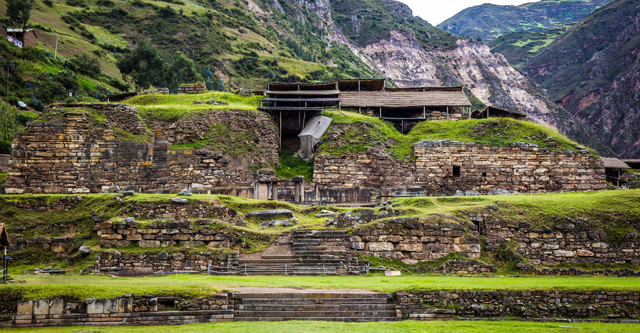
Peru’s first known cultures date back to over 20,000 years ago, and have left strong marks on the country. One of the most important known groups is the Chavin civilization, one of the earliest in Peru, and also the first building culture. The Chavins were probably one of the most influential civilizations of their time. Very little remains from this great culture, but there are several archeological sites that have stood the test of time. The most impressive of these is Chavin de Huantar, which is hidden amidst the Cordillera Blanca in northern Peru.
The Moches
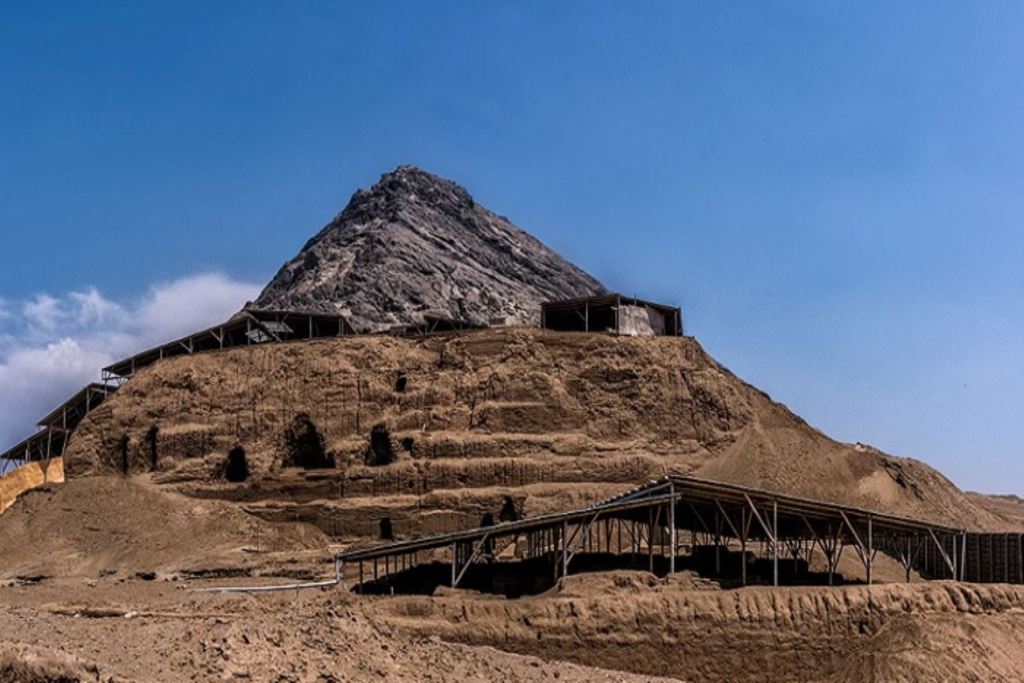
Farther north, the Moche people flourished over a relatively long period between 100 B.C and 850 A.D. Although they only gained control of a small portion of Peru, the Moche people’s mastery of architectural and artistic techniques has made them one of the most influential cultures in the history of Peru. It is still possible to observe their tremendous cultural contribution outside the modern day city of Trujillo. The adobe brick temple Huaca del Sol maintains remarkably detailed carvings and brilliant colors.
Tribes
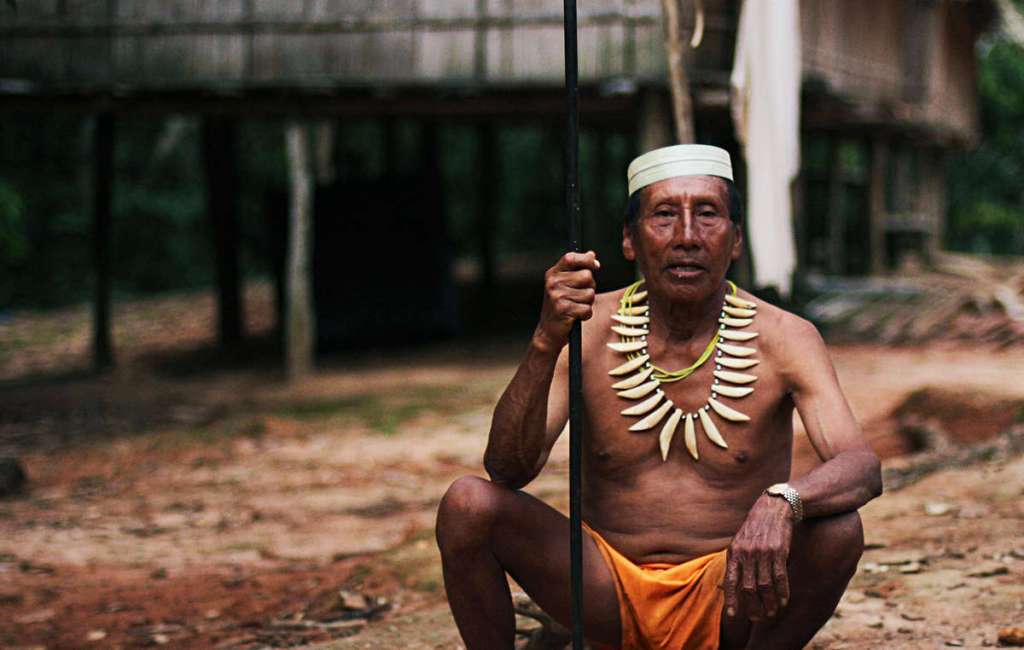
Peru, half of which is covered by the Amazon rainforest, is one of the few countries left in the world where uncontacted tribes continue to live in absolute autonomy, away from modern society.
The Peruvian Amazon is home to 16 indigenous communities numbering some 4,500 people, according to the culture ministry, that live in voluntary isolation.
Amongst them are the Mashco-piro, Cacataibos, Isconahuas, Matsigenkas, Mastanahuas, Murunahuas, Nantis and Yoras tribes. They all live in reserves in three regions in the east of Peru: Ucayali, Madre de Dios and Cusc.
On the very rare occasions when they are seen or encountered, they make it clear they want to be left alone. Sometimes they react aggressively, as a way of defending their territory, or leave signs in the forest warning outsiders away.
Sources:
https://www.france24.com/en/20181130-perus-untouched-indigenous-tribes-facing-growing-threats
 Project 1