
Gender roles is one of the most relevant issues to know about a culture.

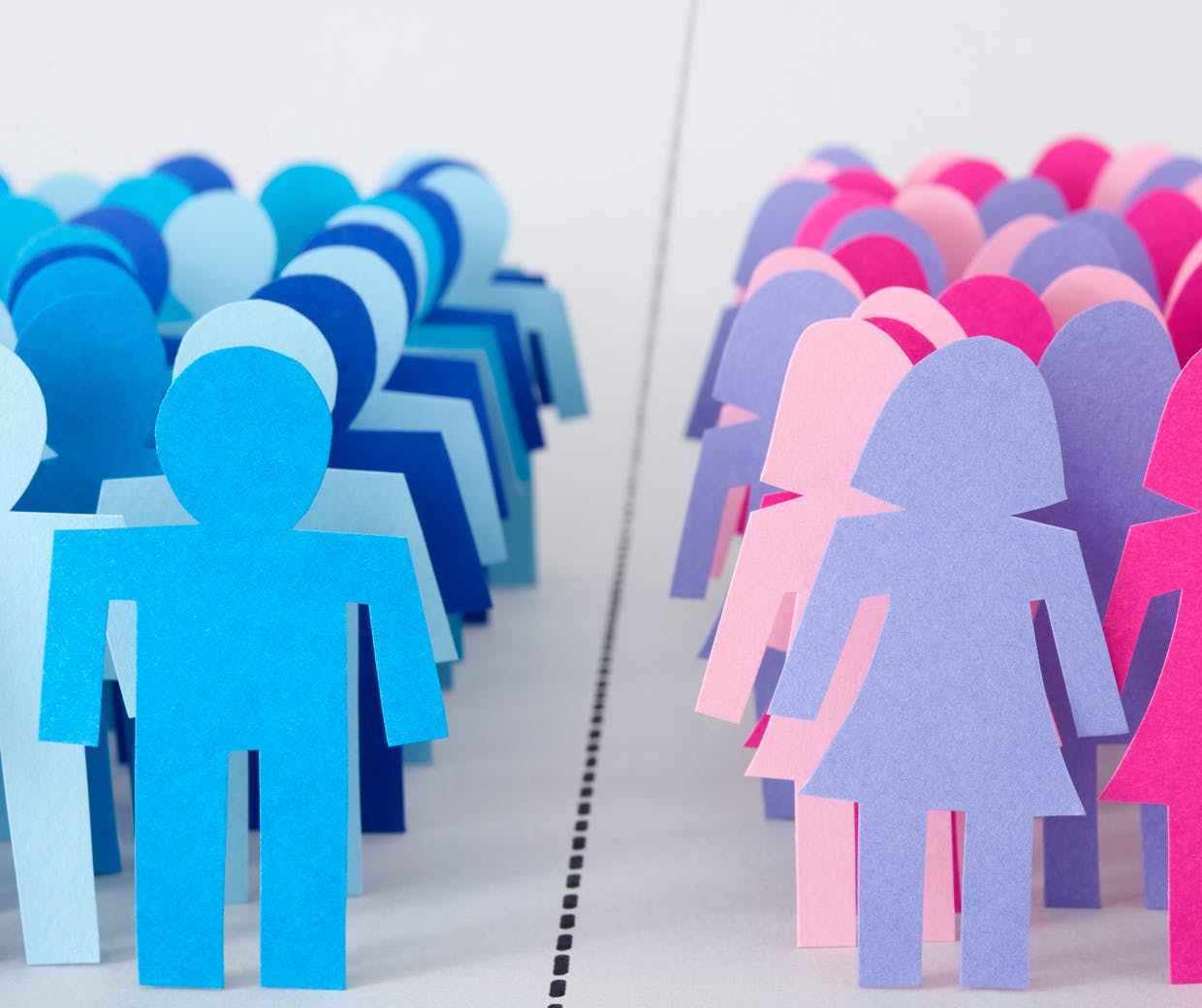

The way society treats you according to your gender tends to be partially fair in many countries, specially in the Developing ones.
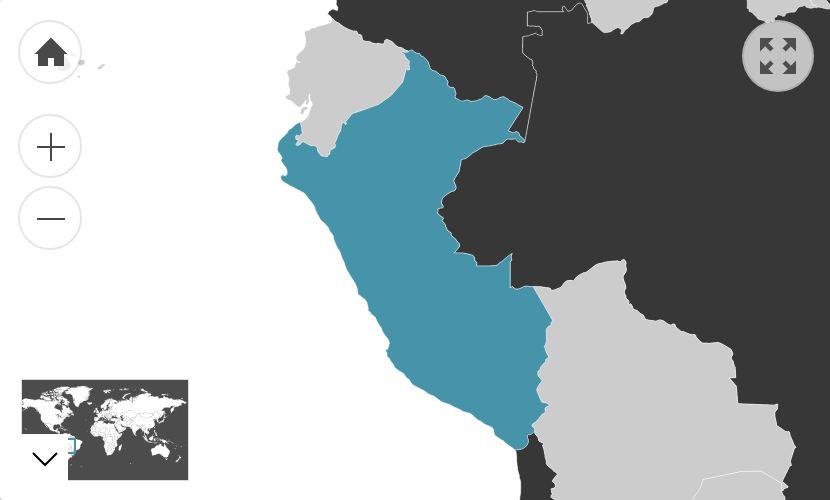
However, the gender roles in Peru are not as different from other places as you could think. They depend on the social-geopraphic context. There are some differences within gender roles between rural and urban areas.
With that in mind, some of the recurrent are:
Women:
- Generally attached to domestic and reproductive tasks.
- In the family aspect, female siblings are given least freedom than males, and are often more protected than them.
- Particularly in rural areas:
- Within indigenous communities, parents tend to underestimate the need to educate their daugthers relative to their sons. Despite the the education topic, women and men are very much seen as equal with regard to the physical work required to live. As much as the family unit is valued in Peru, making a living in a rural area is different than in an urban area since farmers women are also «qualified» to help in the fields and running the businesses,
- While in urban areas:
- Women struggle the most to get a job well rewarded since the best opportunities are generally given to men. On the other hand, the traditional «family concept» does not stick as much as in the rural areas, thus it is more common and least stigmatized seeing monoparental families leaded by single mothers. In many middle- and upper-class households, the mother is not longer in charge of the domestic tasks mentioned earlier, but is in charge of surpivising other women who fill positions as domestic helpers and child carers. They are usually from lower-socioeconomic areas (rural areas).
- Particularly in rural areas:
- Within indigenous communities, parents tend to underestimate the need to educate their daugthers relative to their sons. Despite the the education topic, women and men are very much seen as equal with regard to the physical work required to live. As much as the family unit is valued in Peru, making a living in a rural area is different than in an urban area since farmers women are also «qualified» to help in the fields and running the businesses,
- While in urban areas:
- Women struggle the most to get a job well rewarded since the best opportunities are generally given to men. On the other hand, the traditional «family concept» does not stick as much as in the rural areas, thus it is more common and least stigmatized seeing monoparental families leaded by single mothers. In many middle- and upper-class households, the mother is not longer in charge of the domestic tasks mentioned earlier, but is in charge of surpivising other women who fill positions as domestic helpers and child carers. They are usually from lower-socioeconomic areas (rural areas).
- At last, a pretty common thing in the latin american culture as a whole is the «quinceañera» (15th birthday). This event is significant because it is semeed as the transition from a «girl to a woman» (adulthood). It is celebrated throughout Peruvian society, regardless of the family’s socioeconomic standing.
Man:
In the case of man, the stereotypes tend to be the same in any geographic area. They are supposed to be:
- Strong.
- Honourable.
- Head ot household.
- Leaders.
- Protectors.
- Responsible for financially supporting the family.
- Competitive.
In fact, regarding to the competitive aspect, boys are rised under the need to compete to demonstrate their worth. They grow thinking that repressing their feelings and fears is one of the best ways to prove their «manliness», and they are constantly put into high risk activities in order to prove that.
In contrast to the «quinceañera» event, boys usually celebrate their transition into adulthood at age 18 and the way they celebrate it tends to be «wilder» than a family party as the girl’s one.
Sources:
https://climajimena.wordpress.com/2013/04/16/gender-norms-in-peru/
https://culturalatlas.sbs.com.au/peruvian-culture/family-6828dc9b-5b00-498d-bb5d-5a5e51fdcacd
 Project 1